
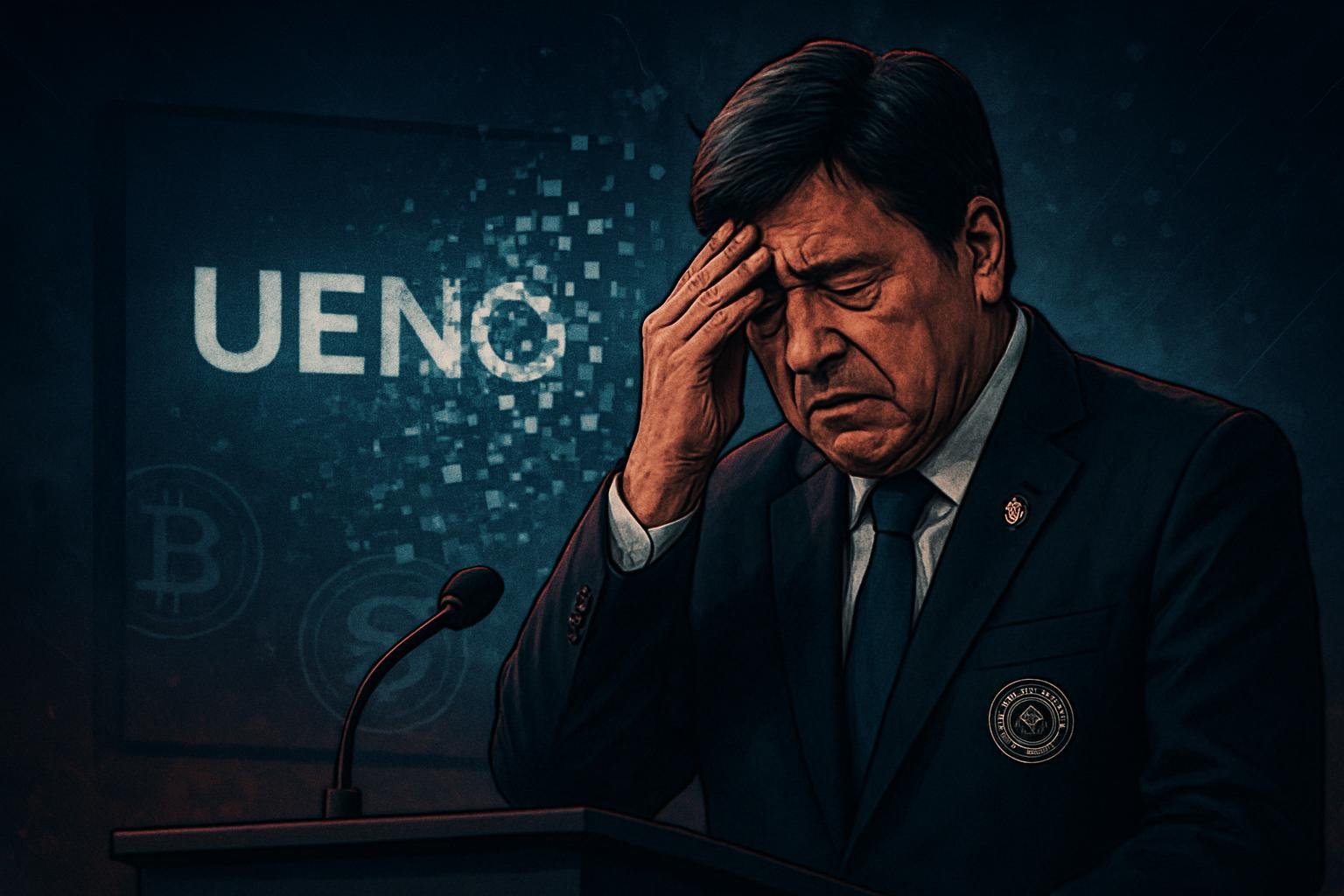
Paraguay’s President Steps Down Amid Banking Crisis
On November 5, 2026, Paraguay’s President Santiago Peña officially resigned following the catastrophic collapse of Ueno Bank, a prominent digital banking institution with strong crypto industry ties. Peña’s departure comes as the fallout from the failure continues to grow, with millions of Ueno customers unable to access their deposits. This unprecedented financial disruption has sparked intense scrutiny over Peña’s previous connections with the bank’s parent company.
Understanding the Ueno Bank Collapse and Its Implications
Ueno Bank, known for its role in digital and cryptocurrency banking services, abruptly ceased operations, leaving a vast customer base in limbo. The bank’s collapse has not only affected traditional fiat savings but also clouded the prospects for Paraguay’s emerging digital finance sector. Experts warn that this incident highlights the fragile nature of digital financial platforms in regions where regulatory frameworks may lag behind technological advances.
The failure also raises broader questions about digital asset custody, the risks inherent in online-only banking models, and the necessity of robust oversight to protect consumers and investors. This event could influence forthcoming regulations, much like the ongoing debates surrounding crypto policies in the US as discussed in recent reports on U.S. 2026 Midterms and Cryptocurrency Regulation.
Political Repercussions and Future Outlook
President Peña had previously maintained a close advisory relationship with Ueno Bank’s parent company, which placed him under intense criticism once the bank’s troubles became public. His resignation signifies a significant political shift and reflects the high stakes of intertwining governance with emerging, often volatile financial technologies.
The abrupt leadership change adds uncertainty to Paraguay’s economic policies and digital banking strategies. Observers note that this incident could either slow down Paraguay’s ambitions in digital finance or serve as a catalyst for establishing more stringent banking regulations.
In the broader crypto market context, such challenges parallel concerns seen at larger institutions, including security and liquidity issues that triggered market responses like those observed following notable hacks and fund withdrawals on platforms such as Binance. For perspective on market dynamics amid regulatory and security challenges, see our analysis on Binance’s net inflows and withdrawals post-hack.
What This Means for Cryptocurrency Users and Investors
The Ueno Bank crisis acts as a stark reminder of the risks associated with digital-only banking in the crypto ecosystem. Investors should remain vigilant about the security and regulatory compliance of digital asset custodians. The fallout in Paraguay may prompt increased demands for transparency, regulatory clarity, and stronger consumer protections.
For readers following how political events influence cryptocurrency markets, the situation in Paraguay reinforces the importance of tracking local governance and regulatory shifts. Similar geopolitical factors, such as the US midterms, can materially impact crypto regulations and investor sentiment as outlined in our coverage of Bitcoin price behavior amid US midterm uncertainties.
For more details on this developing story, consult the original report by Cointelegraph.





Leave a Reply